
Vastu & Spiritual Gift Items NRIs Love to Send Back Home

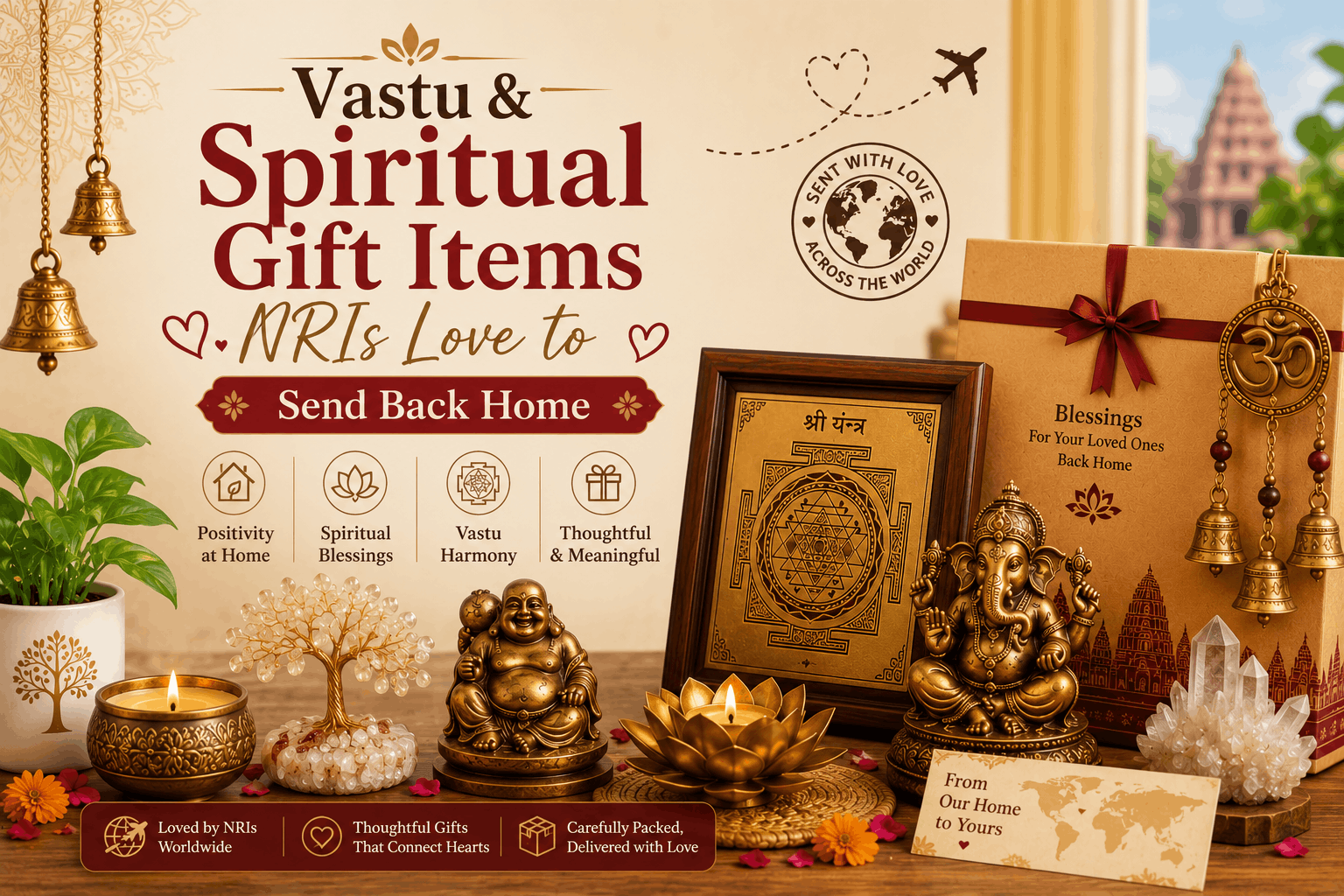
Living away from India changes your relationship with the little things. The smell of incense in the morning, a small mandir in the corner of the living room, the clink of a brass thali during aarti — these are the details NRIs miss the most. So it makes sense that when families abroad think about gifting, they keep coming back to Vastu and spiritual items rooted in Indian tradition.
These gifts do two jobs at once. They carry a blessing, and they carry a memory. Whether you are sending something to your parents back home in India or setting up a corner of your own house in Toronto, Dubai or London, a well-made handcrafted piece feels personal in a way a generic gift card never will.
Here is a closer look at the items that travel best — emotionally and practically.
Why NRIs lean towards Vastu-based gifts
Vastu Shastra is the traditional Indian system of design that links physical spaces with energy, direction and wellbeing. For many Indian families, a home doesn’t feel complete until the pooja space is set up correctly. That’s the emotional pull behind these gifts: they aren’t just decorative, they’re meant to invite calm, prosperity and protection into a home.
A few quick facts worth knowing:
- In Vastu, the north-east (Ishanya) corner is considered the ideal spot for a home temple or mandir.
- A kalash filled with water and topped with mango leaves and a coconut is one of the oldest symbols of abundance, used in almost every Hindu ceremony.
- Brass and copper are traditionally favoured for pooja items because they’re believed to hold positive energy and are naturally antimicrobial.
- Deities are usually placed facing west or east, so the person praying faces east or north — directions associated with new beginnings and clarity.
None of this requires you to be an expert. The point is simply that thoughtful, traditional pieces fit naturally into an Indian home, wherever in the world it happens to be.
The items that send best
Below is a quick reference for the most-loved categories and who they suit.
| Spiritual / Vastu Gift Item | Why It Matters | Best Gifted To |
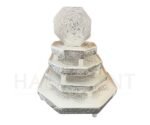
| Pooja Chowki & Bajot | A raised seat for idols; keeps the deity above floor level, as Vastu prefers | Parents setting up a new mandir |
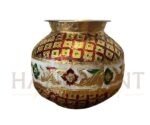
| Meenakari Kalash | Symbol of prosperity and auspicious beginnings | Housewarmings, weddings |
| God Singhasan | A decorative throne that elevates and honours the deity | Devotees of Laddu Gopal, Krishna |
| Laddu Gopal Jhula | A small swing for the infant Krishna; loved during Janmashtami | Grandparents, young families |
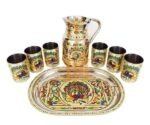
| Pooja Thali Set | Used daily for aarti; practical and beautiful | Anyone who does regular pooja |
| Dry Fruit & Gift Boxes | Festive gifting with a premium, traditional finish | Diwali, Raksha Bandhan, return gifts |
Pooja chowki and bajot — the foundation of a mandir
If there’s one item that anchors an Indian prayer space, it’s the chowki. A handcrafted pooja bajot raises the idols off the ground and gives the mandir a proper structure. NRIs often send these to parents who are redoing their pooja room, or buy one for their own home abroad to start fresh.
The kalash — abundance in a single object
The meenakari kalash is hard to beat as a housewarming or wedding gift. It carries strong Vastu significance around prosperity, and the hand-painted enamel work makes it a piece people actually display rather than store away.
Singhasan and jhula — for the devotees in the family
Families who keep Laddu Gopal at home treasure a good singhasan and a jhula. These make especially meaningful gifts for grandparents and become heirlooms over time.
Everyday spiritual pieces
Not everything has to be grand. A pooja thali set gets used every single day, and festive dry fruit boxes are an easy, elegant way to mark Diwali or a return gift. You’ll find plenty more in the full gift items and meenakari collection.
A small tip before you order
Think about the recipient’s actual space. A large singhasan is wonderful, but a compact chowki or thali suits a smaller apartment better. And since handmade pieces vary slightly from one to the next, that little imperfection is exactly what makes them feel real.
Frequently Asked Questions
Why do NRIs prefer Indian-made spiritual gifts?
Because they carry authenticity that’s hard to find abroad. Handcrafted pooja items connect families to their roots and bring a familiar sense of home, whether they’re sent to relatives in India or kept in a house overseas.
Which Vastu items are best for a new home?
A kalash and a pooja chowki are classic housewarming choices. The kalash symbolises prosperity, while the chowki helps set up the mandir in the home’s north-east corner, as Vastu suggests.
Are these items handmade and authentic?
Yes. Hanumant Handicraft works as a direct manufacturer in Jasdan, Gujarat, with products made by local artisans, so the finishing and designs aren’t the usual mass-produced kind.
Can I order these gifts to send to family in India?
You can. Hanumant Handicraft serves customers across India and offers fast delivery, so sending a gift directly to a loved one’s address is straightforward.
Do you take bulk or wedding orders?
Yes. A large part of the work comes from bulk orders for weddings, return gifts and corporate gifting, and customisation is possible depending on quantity. Reach out through the contact page for a wholesale inquiry.
Ready to pick something meaningful? Browse the full range of handcrafted spiritual pieces in the collections and send a little bit of home, wherever home happens to be.