
Gifting Etiquette in India: Items You Should Never Gift

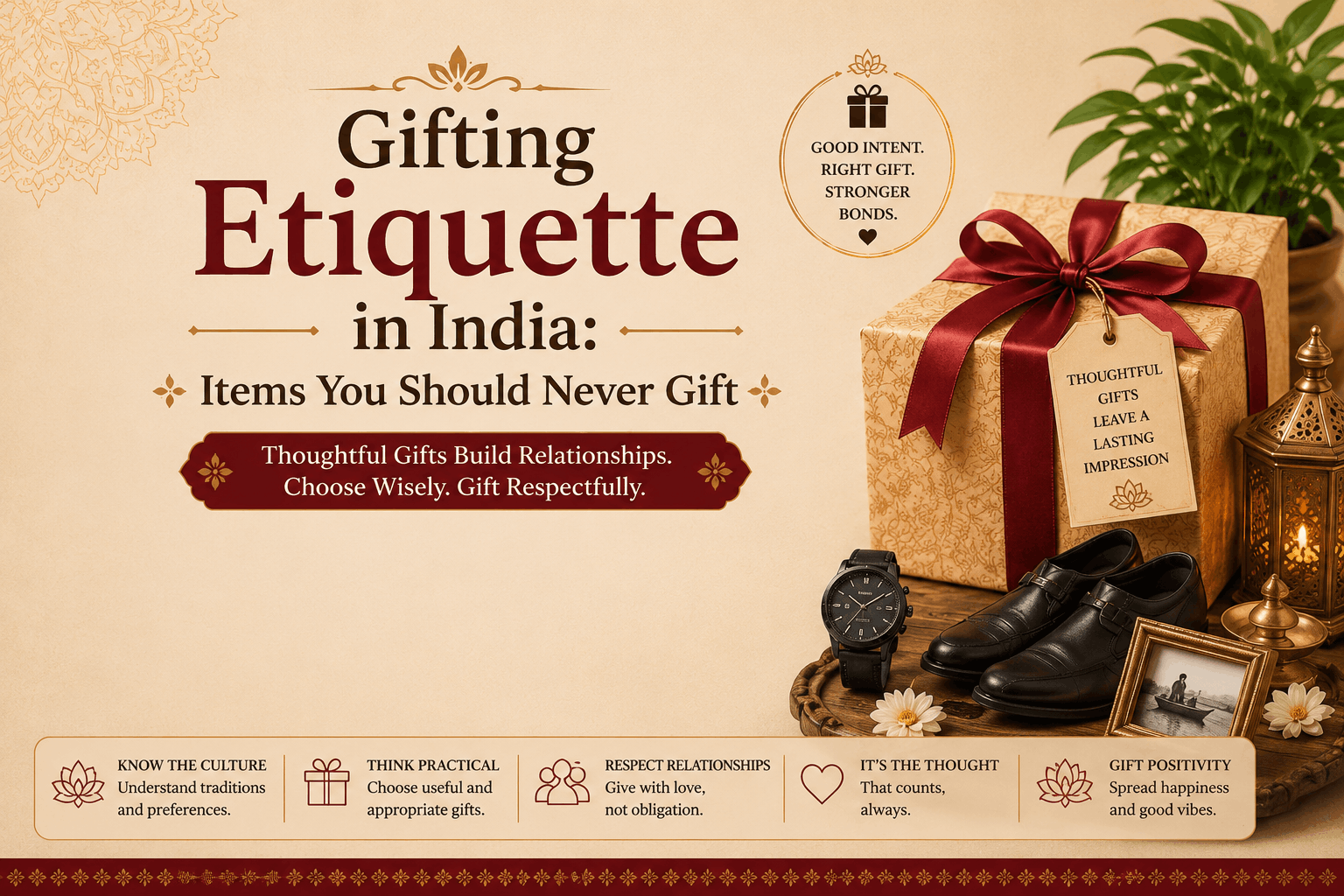
In India, a gift is never only an object. It carries a message, and sometimes that message is the opposite of what you intended. The items most commonly avoided are sharp objects, leather goods, footwear, black-coloured items, clocks and iron articles, handkerchiefs, chipped or second-hand pieces, white flowers, and cash in round figures. Each one is tied to a belief about what the gift signals — separation, mourning, or an ending. This guide covers what to avoid, why the custom exists, and the handcrafted alternatives that are welcome in almost every Indian home.
| Quick answer Never gift knives or scissors, leather items, footwear, black objects or black wrapping, clocks and iron articles, handkerchiefs, broken or previously worshipped idols, white or wilted flowers, or cash in a round amount. Safe choices across nearly every community: brass and meenakari pooja items, dry fruit boxes, serving sets, and mandir accessories. |
🔪 Sharp Objects: Knives, Scissors and Blades
This is the most widely observed rule in the country. A blade is understood to cut the relationship between giver and receiver, so knife sets, scissors, letter openers and even decorative daggers are avoided as gifts — however expensive or beautifully made.
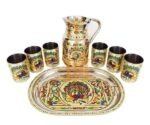
There is a well-known workaround. If you must give a kitchen set at a housewarming, the recipient hands back a token coin — a rupee is enough. The exchange technically converts the gift into a purchase, and the symbolism is neutralised. Most families still consider it easier to avoid the item altogether and gift a meenakari serving tray and glass set instead.
👞 Leather, Footwear and Animal-Derived Items
Leather is the single most common misfire in Indian corporate gifting. Cow leather is offensive to many Hindu households, and Jain and strictly vegetarian families avoid all animal-derived materials. A premium leather diary, wallet or belt — the default choice in a lot of corporate hampers — can land badly with the recipient you were trying to honour.
Footwear carries a second problem on top of the material: shoes are associated with walking away, so gifting them is read as wishing distance on the relationship. If you are assembling a corporate or wedding hamper, a handcrafted jewellery and bangle box or a designer dry fruit box achieves the same premium feel with none of the risk.
🖤 Black Items — and Black Wrapping Paper
Black is linked with mourning, with Shani, and broadly with inauspiciousness. The rule extends past the gift itself to the packaging: a beautiful present in black wrapping paper undoes its own goodwill at the door. Red, maroon, gold, green and yellow are the traditional festive colours, which is one reason meenakari enamel work — built on exactly that palette — has stayed the default gifting finish for generations.
⏰ Clocks, Watches and Iron Articles
A clock is a countdown. Gifting one is read as counting down the recipient’s remaining time, and the custom is observed in a good number of Indian families as well as across East Asia. Iron carries a separate association with Shani (Saturn) and is avoided in gifts and in many home mandir setups.
Worth noting the distinction, because it trips people up: stainless steel is not iron in this context. Steel utensils, containers and thalis are considered auspicious and are gifted freely — particularly on Dhanteras, when buying metal is traditionally lucky.
🪔 Broken, Chipped or Second-Hand Items — Especially Idols
Nothing damaged should be gifted, and this matters most with devotional pieces. A chipped idol is not considered fit for worship, so gifting one places the receiver in an awkward position — they can neither install it nor discard it easily. The same applies to an idol you have already worshipped in your own home: it belongs to your mandir, not to someone else’s.
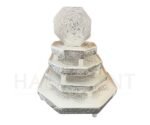
Gifting an idol at all deserves a second thought. An idol brings a daily obligation of worship, and not every household wants that responsibility — a Shiv ling in particular is understood to require strict daily ritual. The safer devotional gift is a mandir accessory rather than a deity: a God singhasan, a pooja bajot or chowki, or a decorative pooja thali. These carry the blessing and the beauty without imposing a duty. Our guide to setting up a home mandir covers what belongs in the space and where.
💐 The Wrong Flowers and the Wrong Colours
White flowers — lilies, chrysanthemums, frangipani — are strongly associated with funerals across much of India, and white garlands even more so. Wilting or half-dead bouquets carry an obvious message of their own. Along the same lines, white or black clothing is avoided as a gift to a married woman, since white is the colour of widowhood in traditional practice. Marigold, rose and jasmine are the celebratory flowers; red, maroon and gold the celebratory fabrics.
💰 Cash: Never a Round Number
Cash gifts in India end in one. ₹101, ₹501, ₹1,001, ₹1,100 — never ₹100, ₹500 or ₹1,000. The extra rupee, the shagun ka rupaiya, represents continuation: a round figure closes the account, while the extra one keeps the relationship and the blessing going. Giving a flat ₹500 note in a shagun envelope is a small mistake that older relatives will notice immediately.
A related rule applies to wallets, purses and empty gift boxes. Never gift them empty — slip in a coin or a note first, so the item arrives already carrying prosperity rather than emptiness.
🍷 Alcohol, Non-Veg Hampers and Anything Too Personal
Alcohol and non-vegetarian hampers are entirely unwelcome in a large number of Indian households — Jain, Gujarati, Marwari and observant families of many communities. Unless you know the recipient personally, assume the household is vegetarian and dry. The same caution applies to perfume, innerwear and cosmetics: these read as too intimate for a colleague, a client, or an elder.
Handkerchiefs and towels sit in a quieter category. Both are associated with tears and with mourning rituals, so they are avoided as standalone gifts even though they are perfectly useful objects.
📊 Quick Reference: What to Avoid and What to Gift Instead
Use this table to swap a risky gift for a handcrafted alternative that works across communities, budgets and occasions.
| Never Gift | Why It’s Avoided | Gift This Instead |
| Knives, scissors, sharp objects | Believed to cut or sever the relationship | Meenakari serving tray & glass set |
| Leather wallets, belts, diaries | Animal-derived; avoided by Jain and vegetarian families | Jewellery & bangle box |
| Footwear | Signals departure and distance | Decorative pooja thali |
| Black items or black wrapping | Associated with mourning and Shani | Meenakari items in red, maroon or gold |
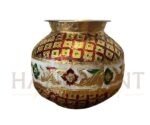
| Clocks, watches, iron articles | A countdown; iron is tied to Shani | Meenakari steel containers |
| Chipped, broken or worshipped idols | Not fit for installation in a new mandir | God singhasan or pooja bajot |
| White or wilted flowers | Funeral and mourning associations | Designer dry fruit box |
| Round-figure cash (₹500, ₹1,000) | Closes the account; no shagun rupee | ₹501 or ₹1,001 with a handcrafted box |
| Alcohol and non-veg hampers | Unwelcome in many traditional households | Dry fruit & sweets gift box |
Regional and community practice varies. When you are unsure, an item used in the home mandir or the kitchen is safe almost everywhere.
✅ Six Etiquette Rules Worth Following
- Add the one. Cash gifts end in ₹1 — ₹101, ₹501, ₹1,001. It is the single most-noticed detail in Indian shagun.
- Never gift an empty container. A wallet, purse or box should arrive with a coin already inside it.
- Wrap in an auspicious colour. Red, maroon, gold, green or yellow. Never black, and avoid plain white.
- Offer with both hands. Handing a gift over with both hands, or the right hand alone, reads as respect — particularly to elders.
- Do not expect it to be opened. Indian custom is usually to set a gift aside and open it later. It is not disinterest.
- Default to vegetarian and non-leather for bulk orders. For corporate hampers and wedding return gifts, assume the strictest household on your list. See our wedding return gift guide for tested picks.
📌 Facts Worth Knowing
- The extra rupee added to a cash gift is called the shagun ka rupaiya — it marks the amount as ongoing rather than final.
- Buying steel and brass on Dhanteras (6 November 2026) is considered auspicious, which is why pooja thalis, containers and serving sets sell heaviest in the fortnight before Diwali.
- Meenakari enamel work is built around exactly the colours Indian gifting favours — red, green, gold and maroon — which is a large part of why it has stayed the standard festive finish. Our guide to meenakari gift items breaks down the range by occasion.
- Jain households avoid leather, and often silk and root vegetables too. Hamper contents matter as much as the hamper itself.
- Gifting practice is regional. An item considered inauspicious in one community may be entirely neutral in another — when in doubt, ask a family member rather than guess.
❓ Frequently Asked Questions
1. What should you never gift in India?
Avoid knives, scissors and sharp objects, leather items, footwear, black-coloured gifts or black wrapping, clocks and iron articles, handkerchiefs and towels, chipped or previously worshipped idols, white or wilted flowers, and cash in round figures. Handcrafted brass and meenakari pooja items, dry fruit boxes and serving sets are welcome almost everywhere.
2. Is it bad luck to gift a knife or a kitchen set in India?
Sharp objects are believed to cut the relationship between giver and receiver. If you do gift a kitchen set, tradition asks the recipient to hand back a token coin, which converts the gift into a purchase. Most families prefer to avoid the item and gift a serving tray or a dry fruit box instead.
3. Why is gifting a clock considered inauspicious?
A clock is read as counting down the recipient’s remaining time. Iron articles are avoided for a separate reason — their association with Shani. Stainless steel is not treated the same way and is gifted freely, especially around Dhanteras.
4. Can I gift leather items in India?
It is risky. Cow leather is offensive to many Hindu households, and Jain and vegetarian families avoid all animal-derived materials. Leather wallets and diaries are the most common mistake in corporate gifting. Choose a handcrafted jewellery box or a meenakari gift item instead.
5. Why should a cash gift end in ₹1?
The extra rupee is the shagun ka rupaiya. A round figure like ₹500 closes the account, while ₹501 signals that the relationship and the blessing continue. Older relatives notice the difference immediately.
6. Is it okay to gift an idol or a God statue?
Only with care. An idol brings a daily obligation of worship, and it must be new and undamaged — never one already worshipped in your own home. A safer devotional gift is a mandir accessory: a God singhasan, a pooja bajot, or a decorative pooja thali.
7. What is the safest gift for an Indian family or a corporate client?
Something used in the home mandir or at the dining table. Meenakari pooja thalis, dry fruit boxes, serving tray sets and pooja chowkis are vegetarian, non-leather, undamaged and auspiciously coloured — they clear every rule above at once.
🎁 Gift Something That Is Always Welcome
Hanumant Handicraft is a direct manufacturer in Jasdan, Gujarat. Every piece is handcrafted in-house — meenakari pooja thalis, dry fruit boxes, singhasans, bajots, serving sets and jewellery boxes — with no middleman markup. All of it clears the etiquette rules above: vegetarian, non-leather, undamaged, and finished in the colours Indian gifting favours.
Browse the full gift items collection, explore meenakari handicrafts, or contact us for wedding, festival and corporate bulk pricing. Free shipping on orders over ₹399.