
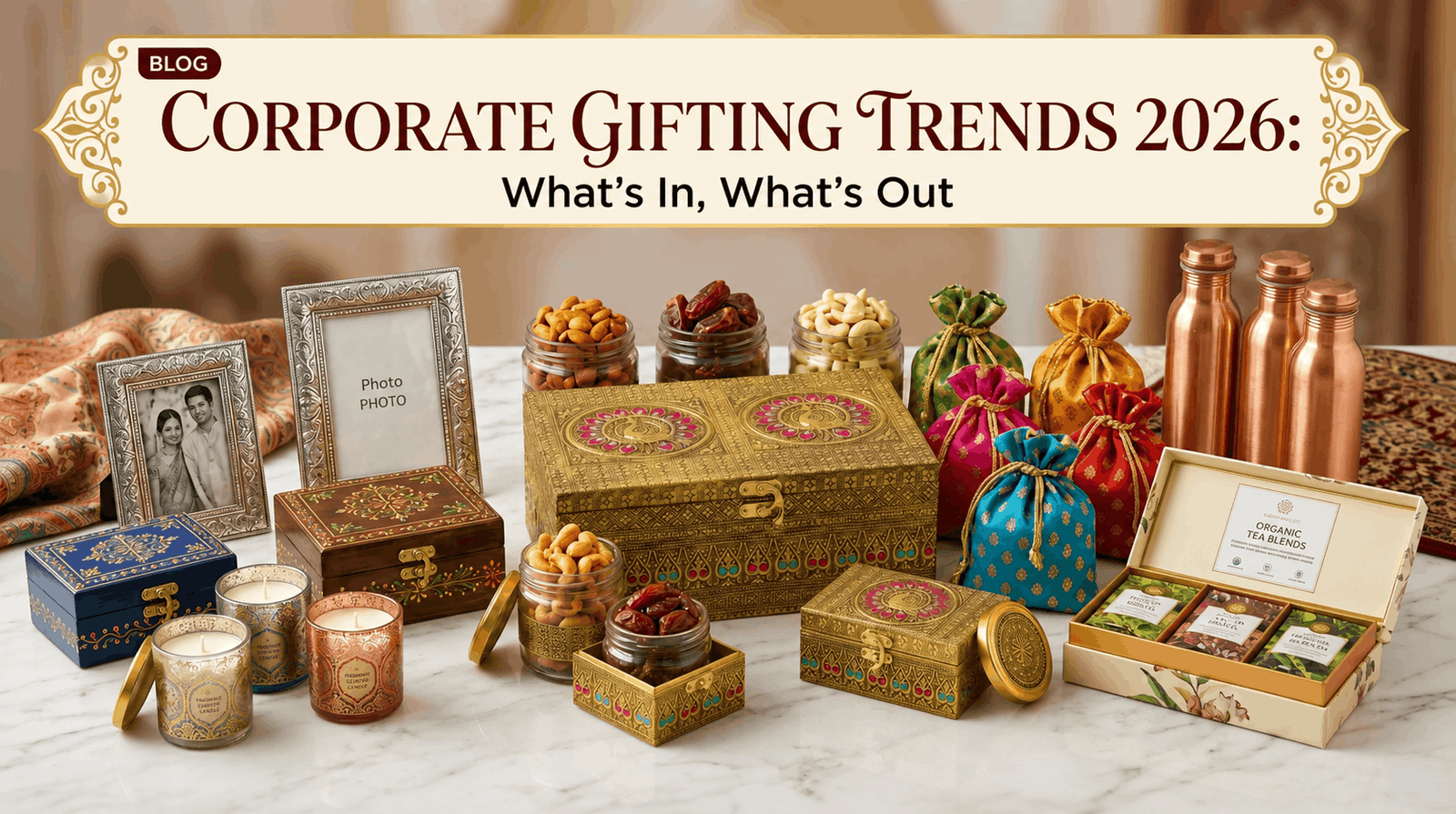
Corporate Gifting Trends 2026: What’s In, What’s Out

Corporate gifting in India has changed more in the last three years than in the previous twenty. The generic dry fruit box and sweet hamper era is fading. In its place, a new playbook is taking shape — one built around craftsmanship, personalization, sustainability, and gifts that actually mean something to the people receiving them.
If you’re planning your 2026 corporate gifting strategy — whether for 50 employees or 5,000, whether for clients, vendors, or your own team — this guide breaks down what’s working now, what’s quietly being phased out, and how to make smarter choices that protect both your budget and your brand.
Why 2026 Is a Turning Point for Corporate Gifting
Three shifts are reshaping how Indian companies approach corporate gifts.
First, employees and clients have grown tired of predictable hampers. After receiving the same kaju katli box from four different vendors during Diwali, the gift stops registering as appreciation — it becomes noise.
Second, sustainability and “Made in India” sentiment have moved from optional to expected. Procurement teams are being asked questions they weren’t asked five years ago: Where was this made? Who made it? What happens to the packaging?
Third, budgets are being scrutinized more carefully. CFOs want to know whether the per-employee gift spend is actually driving retention, engagement, or client goodwill — or just becoming a recurring line item nobody questions.
The companies adapting fastest are moving toward handcrafted, regionally rooted, reusable gifts that tell a story. The ones still sending the same hamper they sent in 2019 are quietly losing ground.
📊 What’s In vs What’s Out in 2026
Here’s a quick snapshot of where corporate gifting is heading this year:
| ❌ What’s Out (2024–2025) | ✅ What’s In (2026) |
|---|---|
| Generic dry fruit boxes with no branding | Meenakari & handcrafted dry fruit boxes |
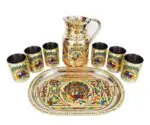
| Plastic-wrapped sweet hampers | Reusable brass, copper & wooden gift sets |
| Mass-produced imported chocolates | Indian artisan-made sweets & savories |
| One-size-fits-all hampers | Tiered gifts (employee / manager / client) |
| Logo-only branding | Subtle co-branding with artisan story cards |
| Single-use packaging | Cloth pouches, wooden crates, reusable boxes |
| Last-minute December rush orders | Planned procurement starting August |
| Cash vouchers & gift cards | Curated experiential & physical gifts |
| Identical gifts for all genders | Thoughtfully curated, gender-neutral picks |
| Imported decor & showpieces | Handcrafted Indian decor with provenance |
🎁 Top Corporate Gifting Trends for 2026
1. Handcrafted Over Mass-Produced
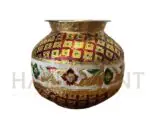
The single biggest shift this year. Companies are realizing that a handcrafted Meenakari box or a brass pooja item carries weight that a generic hamper simply can’t match. The gift becomes a conversation piece — and the brand giving it gets associated with taste, intentionality, and support for Indian craft.
Why it works: Handcrafted gifts photograph well, get displayed instead of consumed, and continue building brand recall for years.
Shop: Meenakari Handicraft Collection
2. Reusable, Functional Gifts Replace Consumables
The hamper that gets eaten in a week is being replaced by gifts that live on the desk, in the kitchen, or on the pooja shelf. Think handcrafted dry fruit boxes that become storage containers, pooja thalis used at every festival, or brass diyas that come out every Diwali.
Tip: A ₹600 reusable handcrafted box delivers more long-term brand recall than a ₹1,500 consumable hamper.
Shop: Decorative Pooja Thali Sets
3. Tiered Gifting Strategies
One-size-fits-all is dead. Smart companies in 2026 are running three tiers: a base tier for all employees (₹300–₹800), a mid tier for managers and mid-senior staff (₹1,000–₹2,500), and a premium tier for clients, leadership, and key partners (₹3,000+).
This protects the budget while ensuring senior stakeholders receive something genuinely premium — not the same hamper the intern got.
4. Festival-Specific, Not Generic
Diwali still dominates, but companies are increasingly gifting around Holi, Rakhi, Janmashtami, and even regional festivals like Onam and Pongal for relevant teams. Smaller, more frequent gifts are outperforming one big Diwali splurge.
Why it works: Multiple touchpoints throughout the year build stronger relationships than a single annual gesture.
5. Sustainability Is Now a Filter, Not a Bonus
Procurement teams are actively asking about packaging, sourcing, and craft origin. Plastic-heavy hampers are being rejected even when cheaper. Cloth pouches, wooden crates, and recycled paper wrapping are now expected — not appreciated.
6. Artisan Story Cards & Provenance
A small card explaining who made the gift, where, and how — often outperforms elaborate logo branding. It shifts the gift from “corporate” to “curated,” and gives the receiver something to share on social media or at the dinner table.
7. Premium Pooja & Spiritual Gifts for Senior Clients
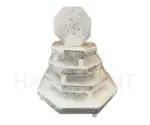
For C-suite, board members, and key clients, handcrafted pooja items — Laddu Gopal sets, premium brass diyas, Meenakari pooja thalis — are emerging as the new luxury corporate gift. They’re rooted in tradition, photograph beautifully, and feel personal without being awkwardly so.
Shop: Mandir Decoration Ideas for Indian Homes
8. Early Procurement Wins
The companies getting the best handcrafted gifts in 2026 started conversations with manufacturers in August. By October, the best artisans are booked. Last-minute Diwali orders increasingly mean settling for generic stock — or paying 30–40% premiums.
If your gifting is planned for Diwali 2026, conversations should ideally start by July–August.
9. Subtle Branding Over Loud Logos
Big embossed logos on every gift are being dialed back. The new approach: an engraved logo on the inner lid, a branded story card, or a custom-printed cloth pouch. The gift feels like a gift first, branding second.
10. Direct Sourcing From Manufacturers
More companies are skipping aggregator gifting platforms and going direct to handicraft manufacturers. The savings are real — typically 30–40% on bulk orders — and the quality control is significantly better.
If you want every option in one tight price band, our guide on Return Gifts Under ₹500: Meenakari & Handcrafted Options for Bulk Orders is a useful starting point — many of those picks work equally well for corporate gifting at scale.
💡 What to Avoid in 2026
A few patterns that quietly damage corporate gifting outcomes:
Sending the same gift two years in a row. Receivers notice. It signals laziness, not consistency.
Over-branding. A giant logo on a beautiful handcrafted box turns it into a promotional item. Restraint reads as confidence.
Ignoring dietary and cultural preferences. Sweet hampers for diabetic clients, leather goods for vegetarian receivers, or alcohol-adjacent gifts for conservative families all land badly.
Buying purely on price. A ₹200 gift that looks like a ₹200 gift damages brand perception more than not gifting at all.
Last-minute panic buying. Quality artisan stock runs out by mid-October. Planning matters more than budget.
🏢 Who Should Gift What in 2026
| Audience | Suggested Budget | Best Picks |
|---|---|---|
| Junior employees | ₹300–₹800 | Meenakari dry fruit boxes, small brass diyas, pooja essentials |
| Mid-level managers | ₹1,000–₹2,500 | Multi-compartment Meenakari boxes, pooja thali sets, decorative brass items |
| Senior leadership | ₹3,000–₹7,000 | Premium Meenakari sets, handcrafted Laddu Gopal sets, large pooja thalis |
| Key clients | ₹2,500–₹10,000+ | Curated handcraft hampers, customized brass or Meenakari pieces |
| Vendors & partners | ₹500–₹1,500 | Reusable handcraft gifts, festival-themed boxes |
❓ FAQs on Corporate Gifting Trends 2026
Q: When should I start planning corporate Diwali gifting for 2026?
Ideally by July or August. The best handcrafted manufacturers in India get booked by September, and last-minute orders typically face 30–40% price premiums and limited stock.
Q: What’s a reasonable per-employee corporate gift budget in 2026?
For most mid-size Indian companies, ₹500–₹1,200 per employee for Diwali is the sweet spot. Premium companies and senior tiers go higher. Below ₹300, it’s hard to deliver something that doesn’t feel token.
Q: Are handcrafted gifts really better than standard hampers for corporates?
Yes, for two reasons. They’re reusable, so they keep building brand recall long after a hamper would have been forgotten. And they signal taste and intentionality, which matters more in 2026 than ever before.
Q: How do I handle corporate gifting for 1,000+ employees without it feeling generic?
Tier your gifts (junior / mid / senior), include a personalized story card or note, use thoughtful packaging, and pick reusable handcrafted items over consumables. Scale doesn’t have to mean generic.
Q: Is GST applicable on corporate gifts in India?
Generally yes, and input tax credit rules around gifts have specific conditions. Consult your finance team — but factor GST into your per-unit cost calculations from the start, not after.
Q: Can corporate gifts be customized with company branding?
Absolutely — and subtle co-branding works far better than loud logos in 2026. Engraved logos on inner lids, custom cloth pouches, or branded story cards are the current best practice.
Q: Where can I source handcrafted corporate gifts in bulk?
Going direct to a handicraft manufacturer typically saves 30–40% versus aggregator platforms, and gives you better quality control. Hanuman Handicraft handles bulk corporate orders for Meenakari, brass, and pooja gift items across India.
Final Thought
Corporate gifting in 2026 isn’t about spending more — it’s about spending smarter. The brands winning this year are the ones treating gifts as an extension of their identity rather than a procurement obligation. Handcrafted, thoughtful, well-timed, and well-packaged beats expensive-and-generic every single time.If you’re starting to plan your 2026 corporate gifting, our guides on Meenakari handicraft gifting and bulk return gift options are useful next reads — and our team can help with custom bulk orders, tiered gifting strategies, and end-to-end fulfillment across India.